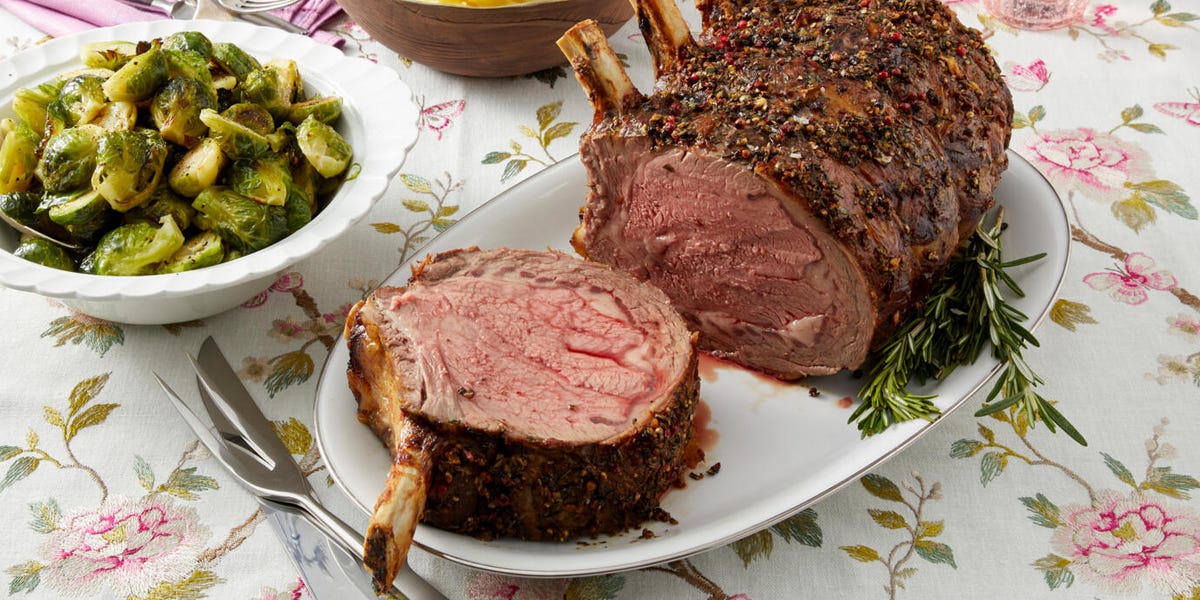
Home Cook Prime Rib: Save Money & Master Bone-In vs. Boneless
Imagine a grand, succulent prime rib, perfectly cooked to a tender, juicy medium-rare with a deeply browned, herb-crusted exterior. Now, imagine serving that masterpiece in the comfort of your own home, not just for a special occasion, but because you mastered the art and saved a substantial amount of money doing it. The idea of cooking prime rib might seem intimidating, often associated with fancy restaurants and hefty price tags. But the truth is, preparing a show-stopping prime rib at home is not only achievable for cooks of all skill levels but also a surprisingly cost-effective way to enjoy this luxurious cut of beef. This comprehensive guide will empower you to tackle a fantastic
perfect herb garlic prime rib recipe, demystifying the process and helping you choose between bone-in and boneless roasts for culinary success.
Why Home Cook Prime Rib? The Savvy Choice for Epic Feasts
One of the most compelling reasons to prepare prime rib yourself is the significant cost savings. Dining out for prime rib at a high-end restaurant can easily set you back $50, $70, or even more per plate, depending on the establishment and portion size. When you consider that a quality choice-grade prime rib roast can be purchased from your local grocery store for around $14.99 to $15.99 per pound, the financial advantage of cooking at home becomes crystal clear.
Savvy shoppers often find even better deals, with warehouses like Costco occasionally offering prime-grade meat at competitive prices. By investing in a whole roast and preparing it yourself, you gain complete control over the quality, seasonings, and precise level of doneness, all while enjoying the satisfaction of creating an unforgettable meal for a fraction of the restaurant cost. This makes a prime rib recipe not just a splurge, but a smart culinary investment. Plus, there's nothing quite like the aroma of a slow-roasting prime rib filling your kitchen, promising a feast to remember.
Decoding Your Roast: Bone-In vs. Boneless Prime Rib
The first decision many home cooks face when selecting their roast is whether to opt for bone-in or boneless prime rib. Both options can yield fantastic results, but understanding their nuances will help you make the best choice for your preferences and cooking style.
*
Bone-In Prime Rib: The Flavor Champion
Bone-in roasts, often referred to as a "standing rib roast," are widely considered to be more flavorful. The bones act as natural insulators, helping the meat cook more evenly and preventing it from drying out. They also impart a subtle, rich flavor to the meat as it roasts. Furthermore, the bones provide a convenient natural rack for the roast to sit on, keeping it elevated from the pan and promoting better air circulation, which is crucial for a beautiful crust.
For those choosing bone-in, a clever trick to simplify carving later is to ask your butcher to cut the bones off and then tie them back to the roast with butcher’s twine. This way, you get all the benefits of cooking with the bones – the flavor, insulation, and natural rack – but can easily remove them for effortless carving once the roast is done and rested.
*
Boneless Prime Rib: The Convenience King
Boneless prime rib offers undeniable convenience. It's often easier to handle, requires less freezer space, and is significantly simpler to carve after cooking, making it a great choice for stress-free entertaining. While some argue it may lack the depth of flavor of its bone-in counterpart, a properly seasoned and cooked boneless roast can still be incredibly tender and delicious.
If you opt for boneless, it’s essential to place it on a roasting rack in your pan. This elevates the meat, allowing hot air to circulate underneath and preventing the bottom from steaming. A standard roasting rack works perfectly, but even an inverted wire rack from an Instant Pot or a few sturdy vegetables can serve the purpose.
Ultimately, both bone-in and boneless prime rib roasts can deliver a stunning centerpiece. Your choice depends on whether you prioritize maximum flavor and a classic presentation (bone-in) or ease of preparation and carving (boneless).
Sizing Up Your Feast: How Much Prime Rib Do You Need?
Determining the right size for your prime rib roast is crucial for both budget management and ensuring everyone gets a generous portion. The general rule of thumb for buying prime rib is to plan for approximately one pound per person. This allows for ample servings and usually a bit extra for those who might want more, or for delicious leftovers.
When dealing with a bone-in standing rib roast, a slightly different guideline applies: you can typically plan for each bone to feed about two people. So, a three-bone roast would comfortably serve six.
However, these are just starting points. It's important to consider the overall context of your meal. If you're preparing a large holiday feast with numerous rich side dishes, appetizers, and desserts, you might be able to reduce the prime rib portion to ½ to ¾ pound per person. The abundance of other food will naturally fill your guests. Conversely, if prime rib is the star and accompaniments are minimal, sticking closer to the one-pound-per-person rule is wise.
A prime rib roast, also known as a standing rib roast, is cut from the back of the upper ribs of the cow, typically comprising ribs six through twelve. A full prime rib section can contain up to seven ribs. You don't have to buy the entire section; simply communicate your desired number of pounds or ribs to your butcher, and they will custom-cut it for you. This flexibility ensures you get exactly what you need without overspending or having excessive leftovers (unless that’s your goal!).
Mastering the Cook: Techniques for a Perfect Prime Rib Recipe
Achieving that perfectly cooked prime rib – tender on the inside with a savory crust – involves a few key steps and precise temperature management. Whether you’re cooking a bone-in or boneless roast, these techniques will guide your way to success.
Preparation is Key
*
Bring to Room Temperature: This is a crucial, often overlooked step. Remove your prime rib from the refrigerator about 1 to 2 hours before cooking. Allowing it to come closer to room temperature ensures more even cooking from edge to center. Lightly season it with a bit of salt and cover it loosely with plastic wrap during this resting period.
*
Prepare Your Herb Rub: A classic prime rib recipe shines with a robust herb and garlic rub. Combine ingredients like coarse salt, freshly cracked black pepper, fresh thyme, rosemary, minced garlic, and a drizzle of olive oil. Rub this mixture generously all over the roast, pressing it into the meat. This creates that irresistible aromatic crust.
Cooking Methods & Temperatures
There are primarily two highly effective methods for cooking prime rib: the traditional high-heat start and the reverse sear. Both yield fantastic results, but offer slightly different outcomes.
1.
Traditional High-Heat Start:
This method involves searing the roast at a high temperature first to develop a crust, then finishing it at a lower temperature.
* Preheat your oven to a blazing 500°F (260°C).
* Place your seasoned roast in the hot oven for 15-20 minutes. This initial blast of heat creates a beautiful, caramelized crust.
* After the initial sear, reduce the oven temperature to 325°F (160°C).
* Continue roasting, referring to these general cook times, but always relying on internal temperature for accuracy:
*
Rare: 10-12 minutes per pound
*
Medium-Rare: 13-14 minutes per pound
*
Medium-Well: 14-15 minutes per pound
2.
The Reverse Sear Method:
For an even more uniform doneness from edge to edge and an incredibly juicy interior, consider the reverse sear. This method involves cooking the roast low and slow first, then finishing with a high-heat sear right before serving. It minimizes the "gray band" of overcooked meat often seen in traditional methods. For a detailed comparison and step-by-step guide, explore our article on
Reverse Sear vs. Traditional: Achieve Perfect Prime Rib Doneness.
The Importance of Internal Temperature
Regardless of the method, an accurate meat thermometer is your best friend. Cook your prime rib until it reaches these internal temperatures (measured in the thickest part of the roast, avoiding bones):
*
Rare: 115-120°F (46-49°C)
*
Medium-Rare: 125-130°F (52-54°C)
*
Medium: 135-140°F (57-60°C)
*
Medium-Well: 145-150°F (63-66°C)
Don’t Forget the Rest!
Once your roast reaches your desired internal temperature, remove it from the oven immediately. This is perhaps the most critical step for a juicy prime rib. Tent it loosely with foil and let it rest for at least 20-30 minutes, or even up to 45 minutes for larger roasts. During this time, two vital things happen:
* **Carryover Cooking:** The internal temperature of the roast will continue to rise by 5-10 degrees, so always pull it out a bit before your target final doneness.
* **Juice Redistribution:** The muscle fibers relax, allowing the juices that have migrated to the center during cooking to redistribute evenly throughout the meat. Slicing too early will result in a dry roast and a puddle of delicious juices on your cutting board.
Conclusion
Mastering a home cook prime rib recipe is not just about saving money; it's about unlocking a new level of culinary confidence and creating unforgettable dining experiences. By understanding the nuances of bone-in versus boneless roasts, precise temperature management, and the crucial step of resting, you can achieve a restaurant-quality prime rib with ease. So, shed any intimidation, embrace the process, and prepare to impress your family and friends with a perfectly cooked, succulent prime rib – a true testament to the joys and rewards of home cooking.